
Zion History
Zion History
Zion Through Time

Early Humans
Nomadic Hunters
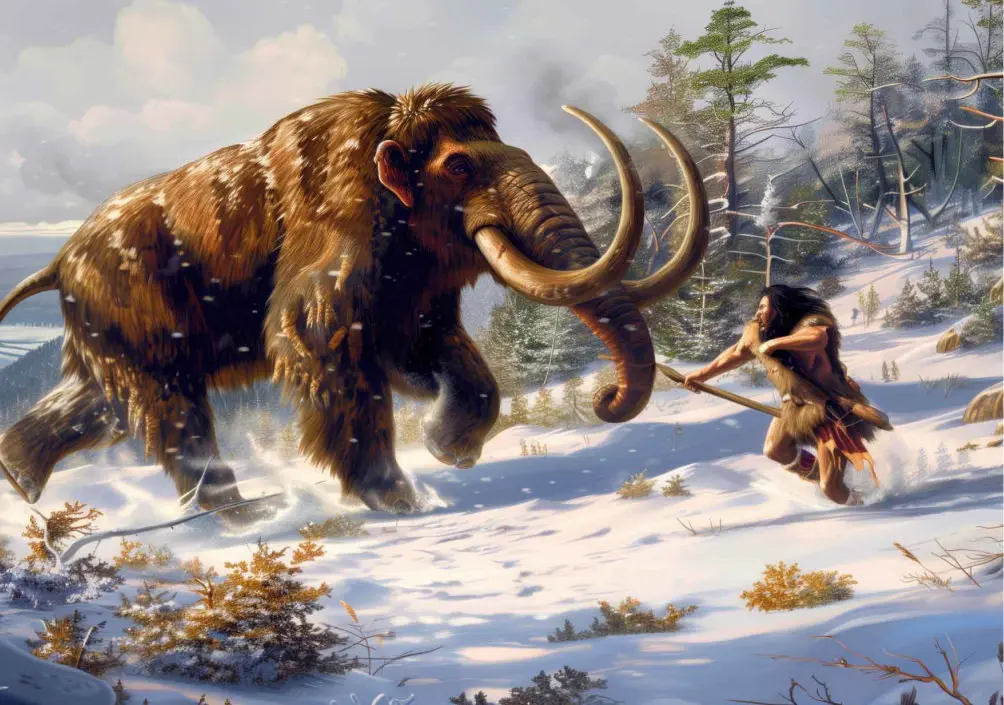
The earliest humans in the area lived a nomadic lifestyle, hunting wooly mammoths, Shasta ground sloths, and camels for roughly 4,000 years. Eventually, these large mammals disappeared, likely due to climate change and overhunting. Mid-sized animals and edible plants became the new dietary staples for early peoples.

Mukuntuweap
Human History
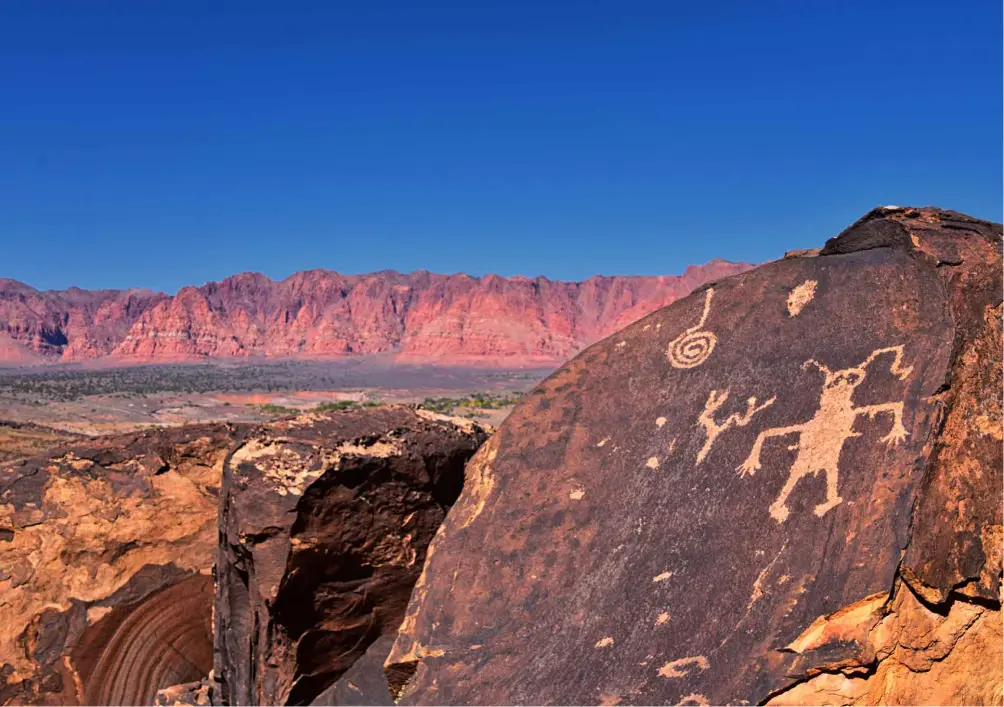
Seven thousand years after the first humans tracked prehistoric game across Mukuntuweap/Zion, the Virgin Branch Puebloan (also known as the Virgin Anasazi) and Fremont People settled in the canyons. Around AD 1,100, both groups migrated out as Southern Paiute tribes moved in. The Southern Paiute called the area Mukuntuweap, which means “straight canyon.”

Sanctuary
European Explorers
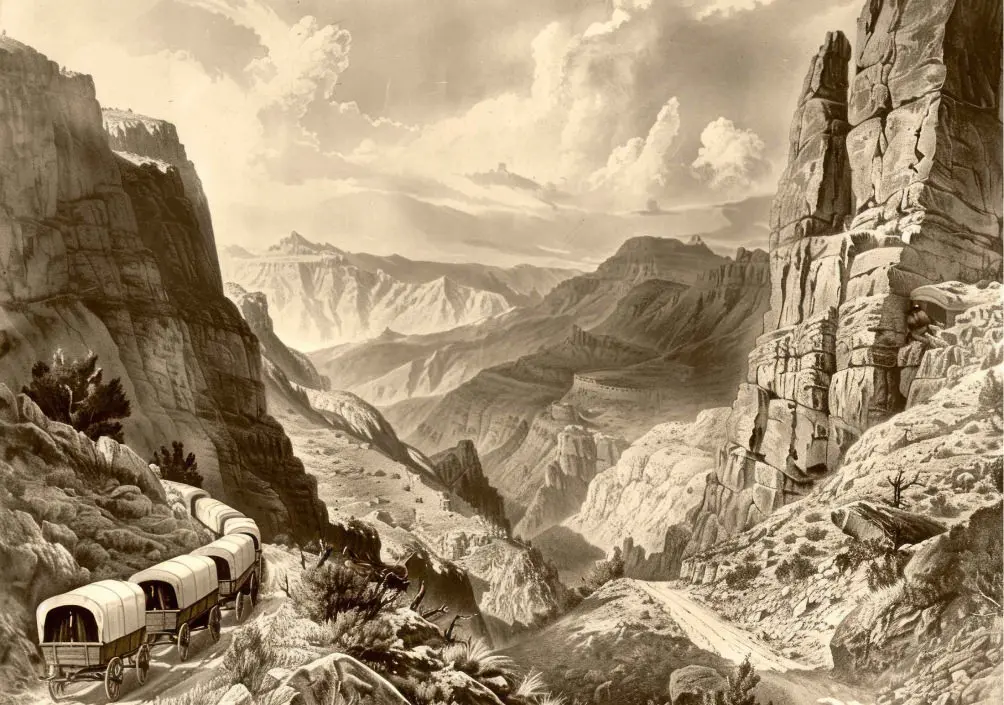
European fur trappers explored the area in the 1700s, and Mormon pioneers arrived in the late 1800s, proclaiming the area Zion, the ancient Hebrew word for “sanctuary.” In 1863, Isaac Behunin constructed the first homestead in the present-day location of Zion Lodge, but flash floods combined with drought soon drove settlers out of the area.

Public Land
Zion National Park
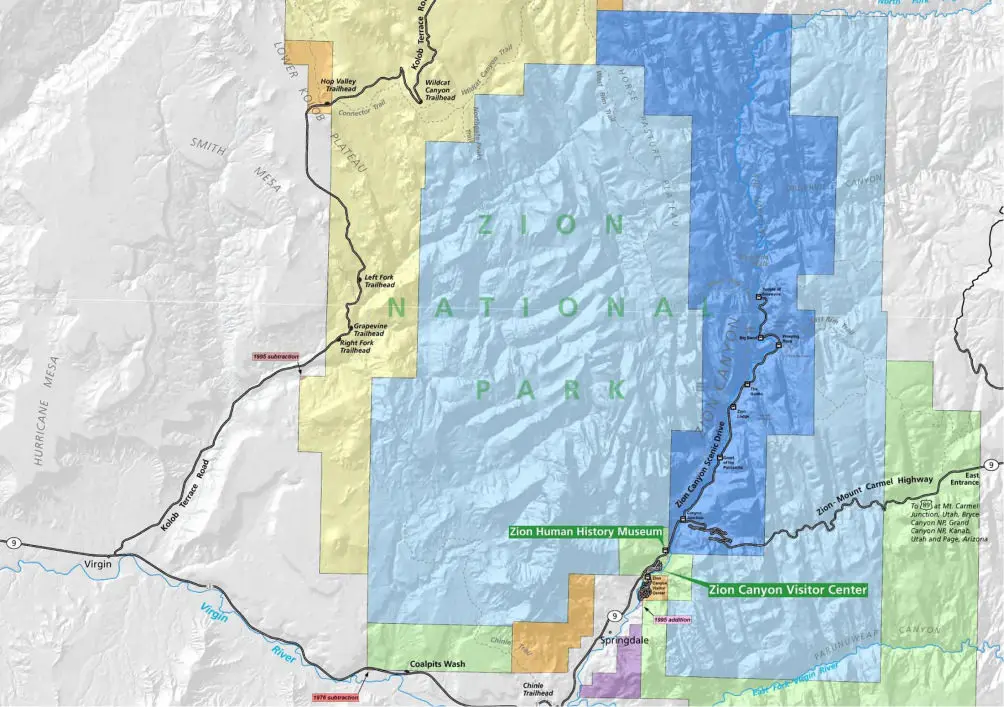
American geologist John Welsey Powell led a scientific expedition through Southern Utah in 1872, which was followed by a federal land survey team in 1908. The survey crew recognized the extraordinary beauty of what is today Zion Canyon and appealed to President Howard Taft to protect the land. President Taft quickly established the Mukuntuweap National Monument, which Congress converted to Zion National Park on November 19, 1919. President Franklin D. Roosevelt designated an additional Zion National Monument in 1937 to protect Kolob Canyons, which became part of Zion National Park in 1956.

The Soil
Geology of Zion
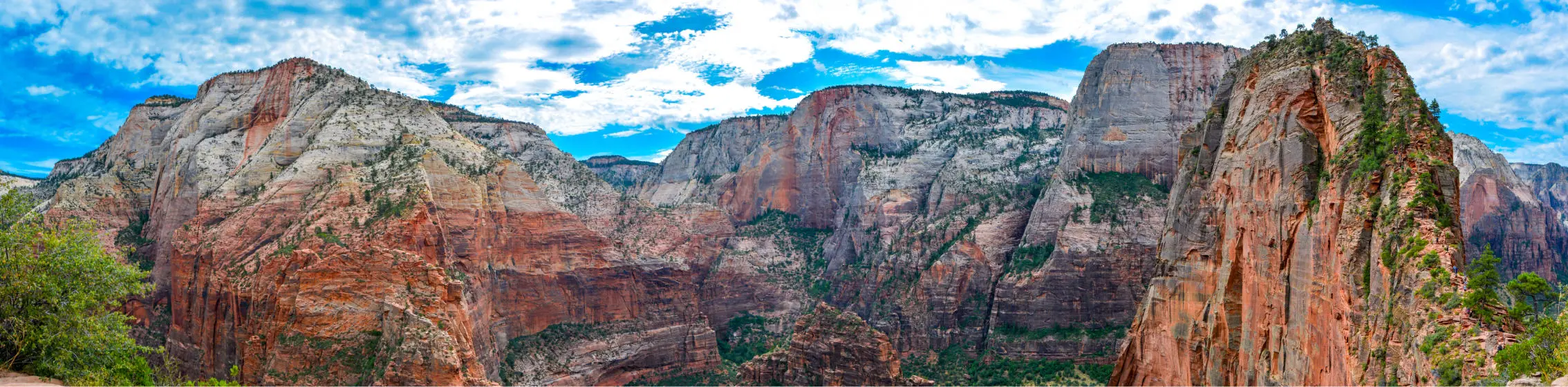
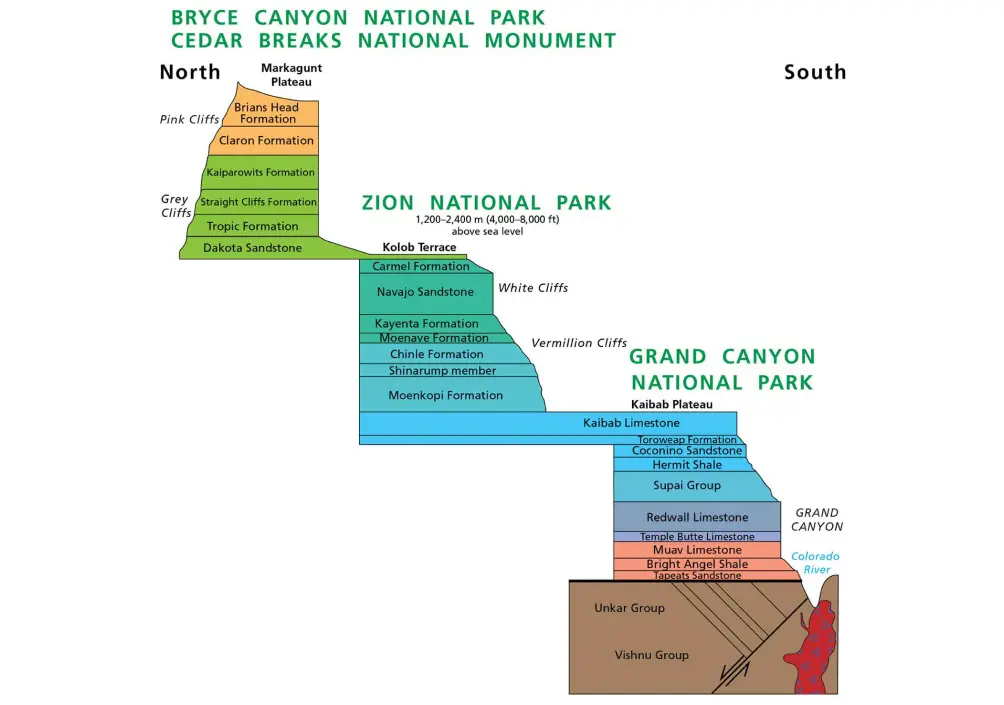
Zion’s dramatic landscape reflects millions of years of geologic activity. As you take in Zion, you are literally experiencing the remnants of ancient sea beds, 150-million-year-old lakes and streams, long ago deserts, and prehistoric volcanic eruptions. The North Fork of the Virgin River excavated Zion Canyon and continues to sculpt and erode the canyon to this day. Regionally, Zion is part of the Grand Staircase, a series of colorful cliffs stretching between Bryce Canyon and the Grand Canyon. As a result of the uplift and tilt of the Colorado Plateau, the bottom layer of rock at nearby Bryce Canyon is the top layer at Zion, and the bottom layer at Zion is the top layer at the Grand Canyon!

Capturing a Century
Honoring Zion Lodge
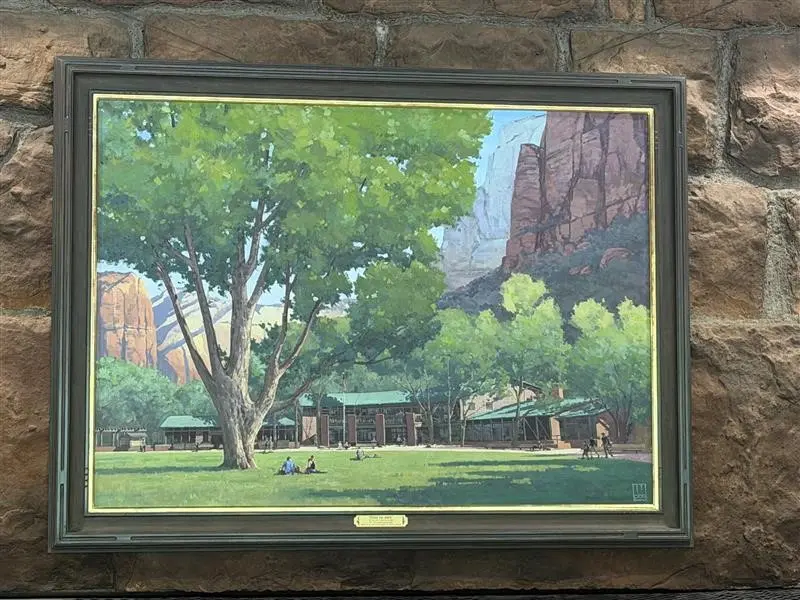
Zion Lodge’s centennial celebrates 100 years of stewardship and the harmony between the historic architecture and the natural landscape. Alan Brockbank’s commemorative painting immortalizes a century of beauty. Now a permanent fixture, this artwork reflects a deep respect for the park’s history. It symbolizes a lasting commitment to preserving this iconic gateway, ensuring Zion remains a protected sanctuary for the next century and beyond.