
Park Safety
Park Safety
Stay Safe


Good to Know
Park Safety
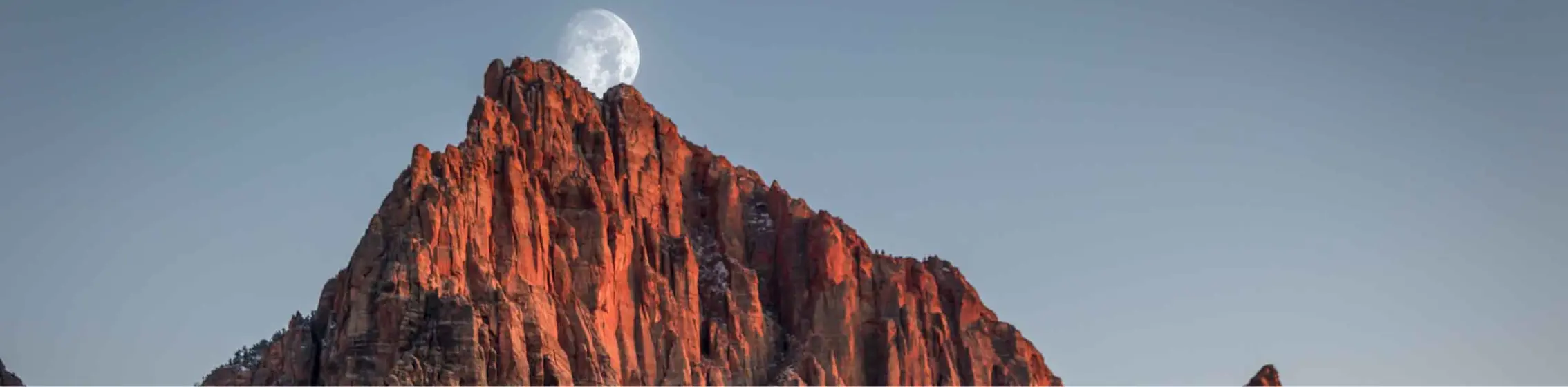
Zion National Park is a rugged environment with rapidly shifting weather, extreme heat, flash floods, and dangerous cliffs. With a few precautions, you can safely enjoy Zion’s dramatic landscape. Please be mindful of the following hazards and take care to have a safe visit.
Be Aware

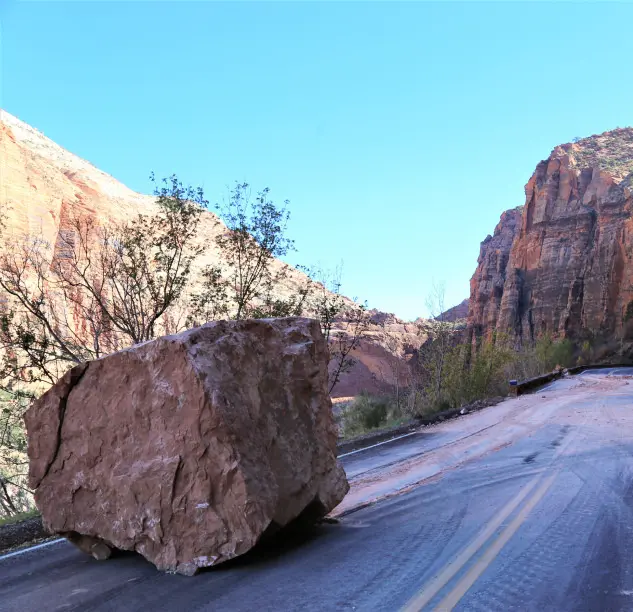
Rockfall
Rockfall hazards occur throughout the park and are especially high near any cliff face. If you witness a rockfall, quickly move away from the cliff. If you are near the base of a cliff or talus slope when a rockfall occurs and cannot quickly move away from the base of the cliff, immediately seek shelter behind the largest nearby boulder and pull your backpack over your head.

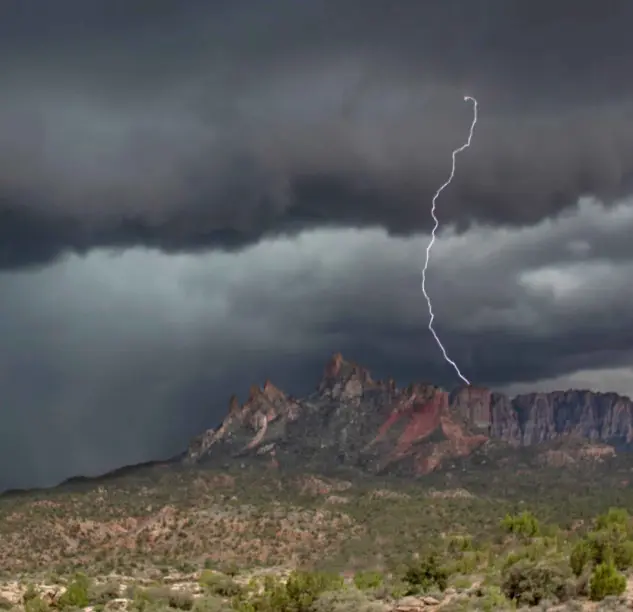
Lightning
Seasonal thunderstorms are frequent in the desert southwest and Zion NP. Monsoon season is from July to September and is due to an increase in atmospheric moisture and summer heat, which leads to strong thunderstorms.

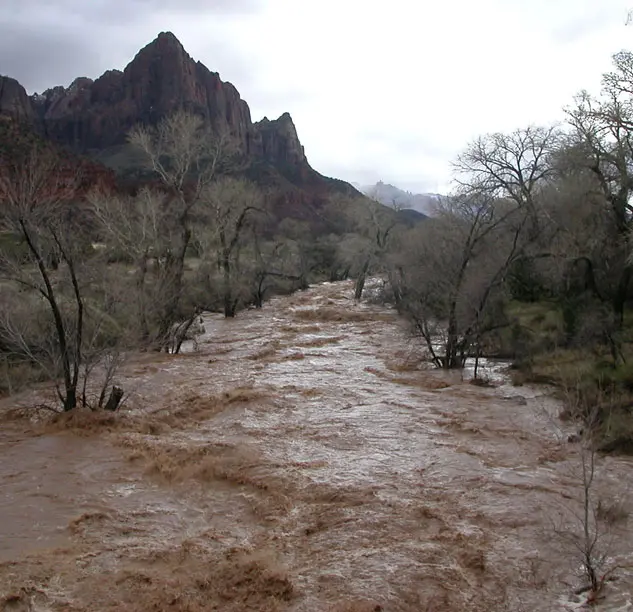
Flash Floods
Flash floods are a sudden increase in depth and speed of water in rivers, streams, or washes due to heavy rain from thunderstorms. Flood waters carry large debris like tree trunks and boulders. Flash floods can occur at any time in Zion National Park and in the desert southwest. Check forecasts for the region before entering canyons.

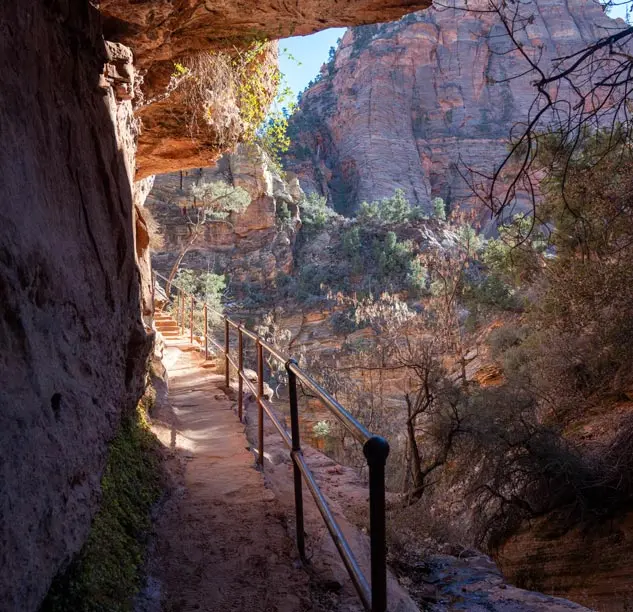
Steep Cliffs
Falls from cliffs on trails have resulted in death. Loose sand or pebbles are very slippery. Be careful of edges when using cameras or binoculars. Never throw or roll rocks. There may be hikers below you. Be aware of the hazards to keep you, others, and park resources safe during your visit.

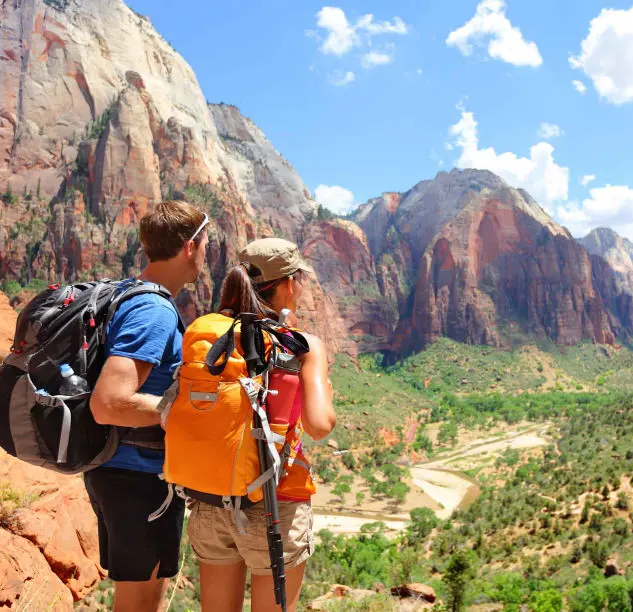
Guest Responsibility
Your safety depends on your own good judgment, adequate preparation, and constant awareness. Your safety is your responsibility. Every year, rangers respond to hundreds of emergency medical or search and rescue incidents in Zion. Please check forecasts and be prepared with proper clothing, footwear, outdoor equipment, and maps. Bring enough water and food and always let someone know where you are going and when you plan to return.


Hydration
The desert is an extreme environment. Carry enough water—one gallon per person per day—and drink it. Water is available at visitor centers, campgrounds, Zion Lodge, and some shuttle stops. Do not drink untreated water.

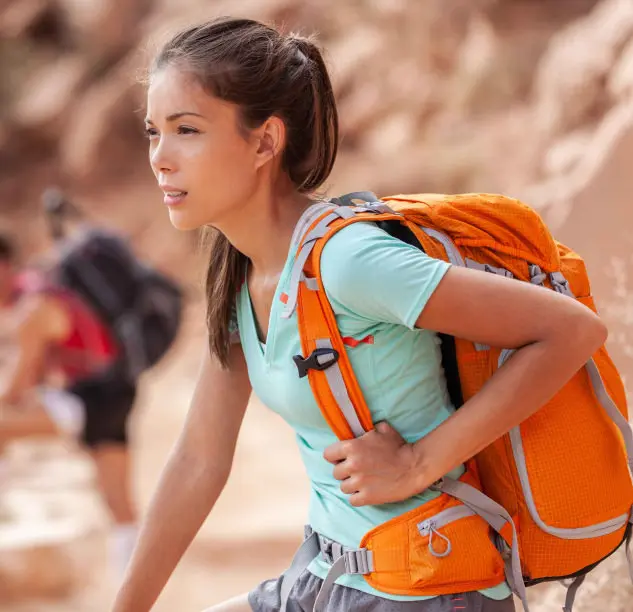
Heat Exhaustion
Heat exhaustion occurs when the body loses more fluid than is taken in. Signs of heat exhaustion include nausea, vomiting, fatigue, headaches, pale appearance, stomach cramps, and cool clammy skin. If a member of your party begins to experience any of these symptoms, stop your hike immediately.
Find a cool, shady area and have the victim rest with their feet up to distribute fluids throughout the body. It is important to drink fluids, but it is also important to eat. If heat exhaustion symptoms persist for more than two hours, seek medical help.

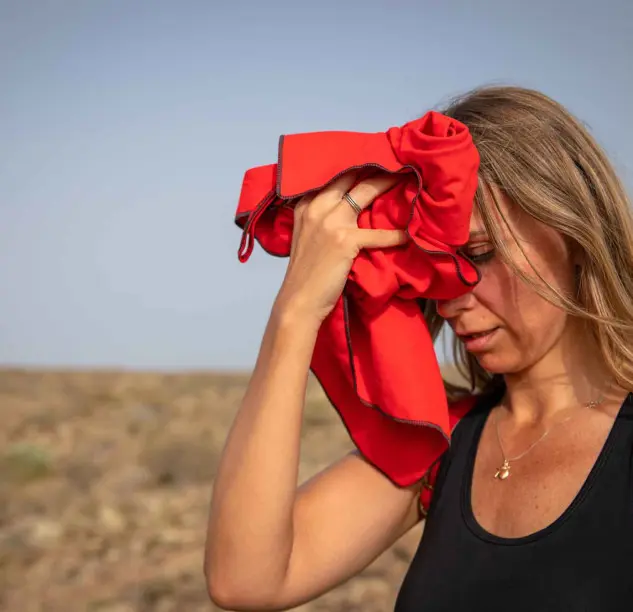
Heat Stroke
Heat stroke is an advanced stage of heat exhaustion. It is the body's inability to cool itself. Symptoms include confusion, disorientation, behavioral changes, and seizures.
If you believe that a member of your party is suffering from heat stroke, it is imperative to cool them using any available means and obtain immediate medical assistance.

Hypothermia
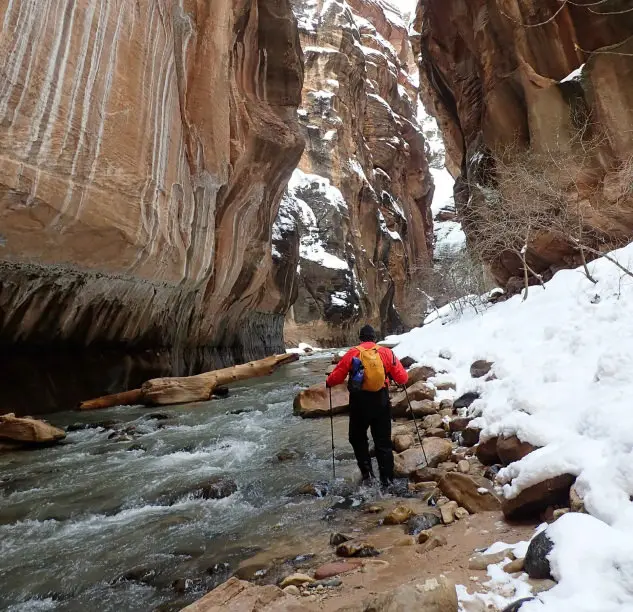
Hypothermia occurs when the body is cooled to dangerous levels. It is responsible for the greatest number of deaths among people engaging in outdoor activities. Possible even in warm weather, it often occurs without the victim's awareness. It is a hazard in narrow canyons because immersion in water is the quickest way to lose body heat.
To prevent hypothermia, avoid cotton clothing (it provides no insulation when wet) and eat high energy food before you are chilled. The signs of hypothermia include:
- Uncontrollable shivering
- Stumbling and poor coordination
- Fatigue
- Confusion or slurred speech